There’s a teaching from Catherine Ingram I keep coming back to. She points out that we call the moon crescent, half, or full depending on what we can see from where we sit. The moon itself is always whole.
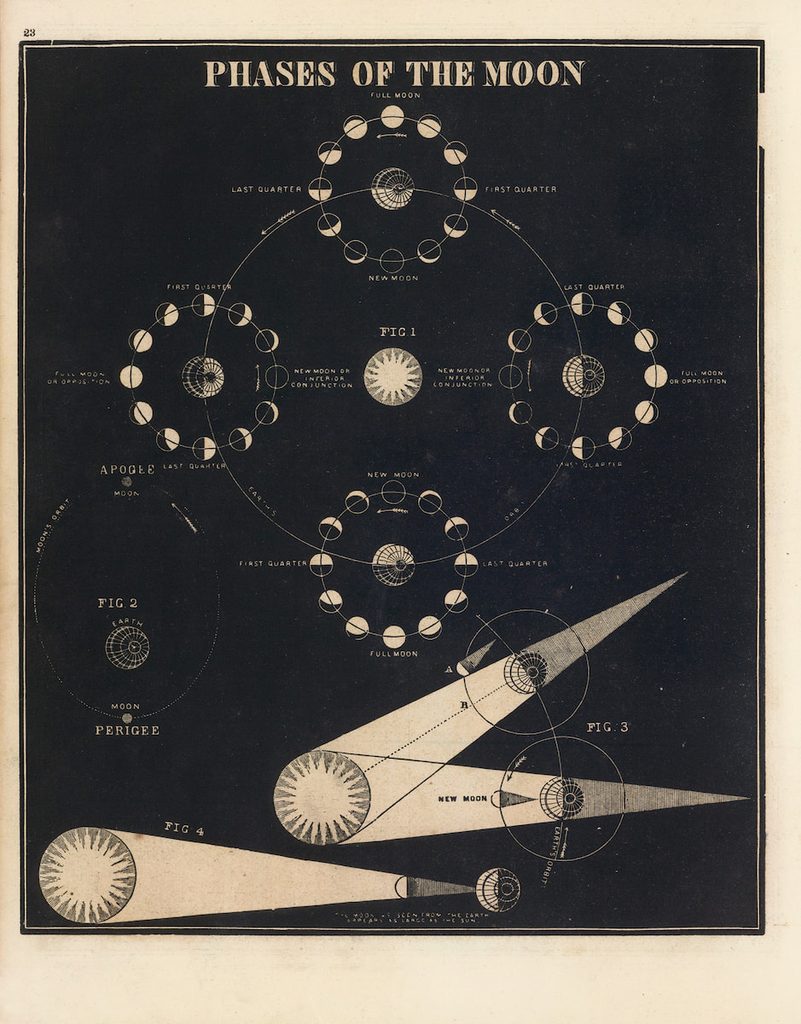
Only our perspective of it changes.
Our minds do this all the time. We catch one difficult moment and mistake it for the whole story. A rough morning becomes a bad day. An awkward conversation spoils the afternoon. A flash of doubt, and suddenly we’re questioning everything about how we’re doing.
Our minds do this all the time.
We have a difficult moment and mistake it for the whole story. A rough morning becomes a bad day. An awkward conversation spoils the afternoon. A flash of doubt, and suddenly we are questioning everything about how we are doing.
The Buddha’s teaching on the five hindrances (see below) points to five mind states that hijack our perspective: desire, aversion, sloth and torpor, restlessness and worry, and doubt.
Worry pulls us into imagined futures. Aversion tries to fix whatever is bugging us. Desire keeps us focused on what we don’t have. Doubt tells us we can’t manage.
It doesn’t take much for one of them to fill up the whole screen.
Carol Wilson tells of a retreat where a few yogis were assigned to prep vegetables for lunch. They became so intent on noting every tiny movement that they were chopping one carrot at a time, slice by deliberate slice. Meanwhile, big tubs of vegetables sat waiting, and the kitchen needed help.
Their attention had narrowed so far that they lost sight of the larger room, and of the cooks depending on them.
Mindfulness is not just concentrating harder on what is in front of us.
A big part of it is seeing the whole situation we are actually in, noticing the people around us, and asking how best to respond.
The other day I was walking through the parking lot at Longs, back to my car, when a young man backing out of a stall nearly hit me. I gestured, trying to be friendly.
He took it as an insult and shouted, “Watch where you walk, old man!”
It stung.
For a moment my whole day shrank to that one remark. I did not shout back, which is about the only gold star I get. A wider view might have noticed a young man having a hard day of his own, even if it was still a messed-up thing to yell at someone carrying a bag of prescriptions.
Moments like that are where this practice lives.
Not only when we sit down to meditate, but while we are cooking dinner, listening to a friend, running errands. Again and again, we are learning to see beyond the small slice of experience that has grabbed our attention.
The moon is always full.
Leave a Reply