One of the greatest gifts meditation has offered me is the invitation to not take myself so seriously.
I remember a talk by the late Harvard trained psychologist turned meditation teacher Ram Dass about dropping his “somebody suit”—the suit we all wear as we go around being somebody.
It never occurred to him that the suit he had spent his entire adult life building, of being a psychologist and an academic, was impeding his progress in meditation. That is, until it did. He explains:
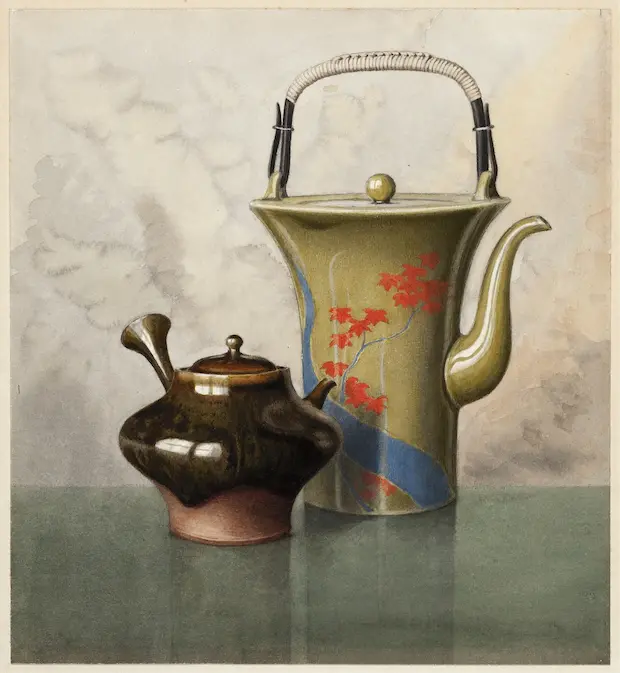
What has changed is that before, my neuroses were these huge, big things that were very frightening, and they took me over… And now they’re sort of like little munchkins. They’re little, friendly beings, and I invite them in for tea.
His inner work allowed him to see his big, bad neuroses as friendly munchkins he could sit down with. His meditation practice invited him to become a “connoisseur of his own neurosis,” as he once put it.
Without psychotherapy or mindfulness practice, our neuroses can work like a vacuum cleaner. Get too close and they pull you in.
As I look back at my early years on retreat, I spent most of my time on the cushion dealing with what Buddhism calls the five hindrances—powerful forces every meditator runs into, the ones that keep us preoccupied, churning, ruminating, caught up in wanting and not wanting, shut down, frozen, agitated, spinning.
Buddhism names them: greed and wanting, ill will and resentment, resistance and frozenness, restlessness and agitation, and doubt.
As we stay with practice year after year, we become experts on our own hindrances, the way Ram Dass did, and we get better at stepping back from our swirling preoccupations.
We see that we can let go of these preoccupations, and that when we do, even for a moment, something opens up—something that cannot happen while we are preoccupied.
We see through the hindrances: how we mistake them for something important and valuable, how we get caught by them. We see they are mental tricks to keep us trapped and distracted.
The Buddha often pointed out that a mind freed from these preoccupations is a mind soaked in gladness and delight. See if this is true. Notice how you feel when you are preoccupied, and how you feel when you are not.
Gil Fronsdal counsels:
Let the tension, the pressure, the needs to solve, fix, judge, remember, and plan settle for a while, so you can be here in a deeper and fuller way. So that you’re available and receptive. You can become softer in a place where creativity can occur, where deeper wisdom and deeper understanding can arise.
When you are no longer preoccupied with your concerns, you do not lose your ability to take care of your life. You gain a new vantage point from which to approach it.
We lose ourselves when we get too preoccupied. We find ourselves again when the clouds part, when we come back from being lost and settle, for a while, into just being here.
Leave a Reply