I have been keeping company with two remarkable Buddhist nuns through their writing: Ayya Khema and Shundo Aoyama, Roshi. They come from very different worlds, but they meet in the same Dharma.
Ayya Khema was born in Berlin to a Jewish family and fled the Nazis as a child, eventually finding her way to the Buddha’s teachings. Aoyama Roshi trained for many years in a Zen monastery in Japan and later guided other women in that same life of practice.
Ayya Khema speaks plainly and directly. She has a way of pointing to where we are still holding on and showing how to loosen the grip.
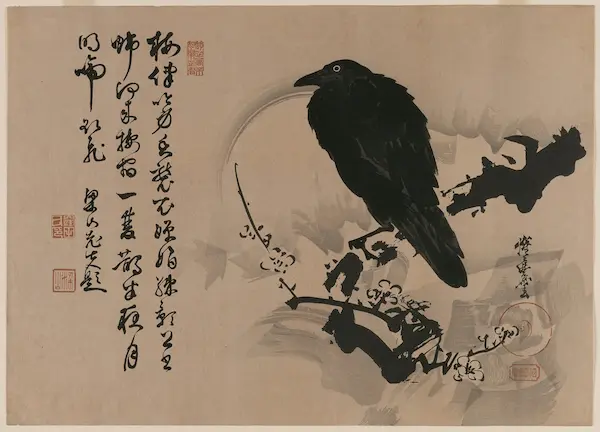
Aoyama Roshi is softer, more like a quiet brushstroke, bringing us back to practice in the middle of ordinary things—cooking, cleaning, caring for others.
Both of them return to a very old teaching called the eight worldly winds, describing human our preoccupation with
gain and loss, praise and blame, fame and disrepute, pleasure and pain.
I do not have to look far to find these. They show up all the time.
If I am honest, this is much of my own inner weather. I lean toward what feels pleasant and pull back from what feels unpleasant. Praise can inflate the sense of who I am; blame can tighten my chest.
Even in meditation, there is sometimes a quiet hope that things will go a certain way.
Ayya Khema would say that this is how we see where we are still holding on to “me” and “mine.” Aoyama Roshi invites us to go a step further and welcome even difficult moments, because they carry teachings that do not arrive in any other form.
So the practice comes very close to home. It shows up in a disappointment that catches us off guard, in a difficult conversation that stays with us, in an ache that quietly lingers in the body.
These experiences are not getting in the way of the path; they are the form the path is taking right now.
Yet over time I find I am a little less inclined to brace against every gust. Perhaps it is age; perhaps I am simply tired of the ups and downs we see everywhere in the culture and the news.
My practice has been growing a bit steadier, thankfully—not in any dramatic way, but as a quieter kind of steadiness, if this makes sense.
It’s just a simple here-and-nowness that can meet what comes, in my small way, and not all the time, but more often now than before.
Leave a Reply