How Ven. Kapilani teaches meditation
These are just some rough notes regarding how I was taught meditation by Venerable Kapilani Manio while staying at Devanapathis Nunnery last year.
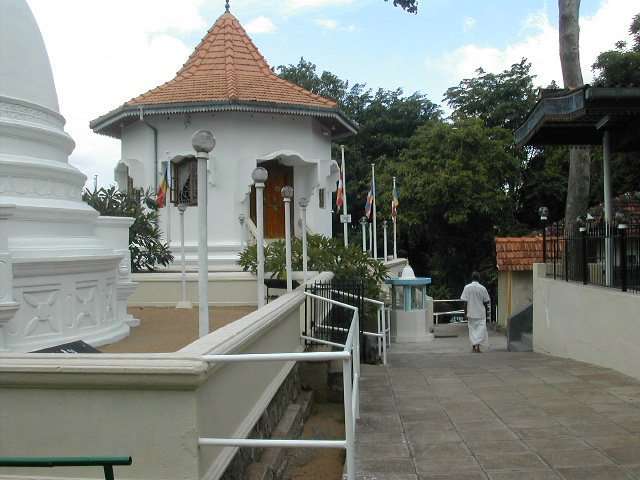
To be clear, what I am describing here is I experienced over a five week time frame. Ven. Kapilani seems to adapt the duration and order of practices to her students. There is a lot more I can say about these, but for now, this is an outline. Also, for daily life sitting practice, she says to prioritize anapana meditation as described below.
Start with 32 parts of the body practice
Everything you ever wanted to know about this classic Theravada Buddhist practice you will find through this link–>
The 32 Parts of the Body Meditation Practice
But if you want to get to know this practice by trying an abbreviated intro guided session, Bhikkhu Anālayo offers this one:
Anatomy Meditation from Satipathana Sutta
After I got somewhat used to doing this 32 parts practice, Ven. Kapilani checked me asking if I was getting the hang of it vs. asking how deep my samadhi was, which was a relief. I still don’t get how someone could get deep samadhi in this practice. And when I reported I was settling in to the 32 parts, she moved me on to metta.
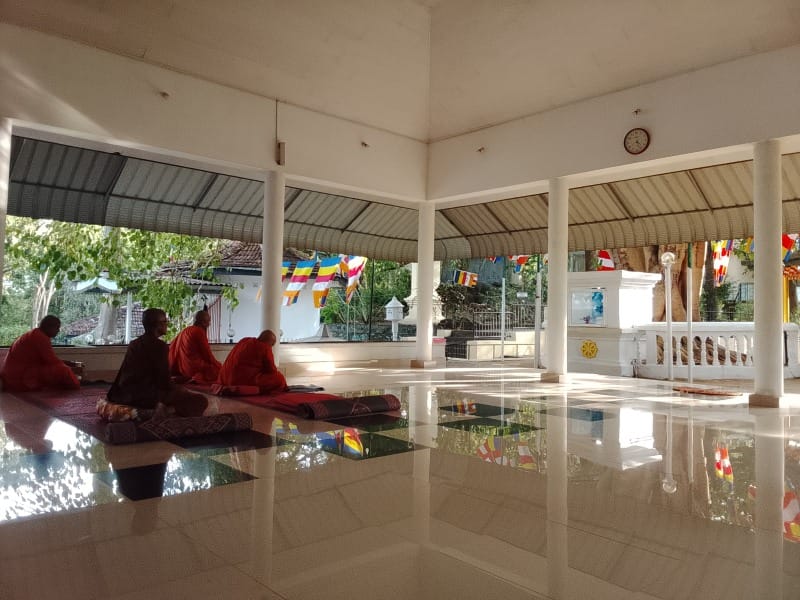
Next: Metta meditation
I won’t go into any detail about the way she teaches, as I don’t think it matters all that much to her which sequences you use or exactly which phrases, it seems. But she did expect me to spend some time with metta.
She adds the new practice as she teaches them, to what she already has you doing, i.e., 32 parts for like one week, then do 32 parts for 5 minutes at start of each session and then full time metta for another week, like this.
Anapanasati is the main practice.
Although it’s called anapanasati in Sri Lanka, much of what this refers to is more like anapana for samadhi: in other words, concentrating on the touch sensation of the natural breath at the entrance to the nostrils or just above the upper lip, and just focusing on this, nothing else, to build one-pointed concentration.
She expects you work up to doing 1-hour sittings without moving. Eventually, she leads you through the first four jhanas.
At this point, the first part of the training ends (in samatha). In the second part of the training she teaches their lineage’s practices of vipassana meditation– but I can’t really describe these as I have many questions!
and for when you need some motivation- Buddhānussati.
This is very much practiced at her nunnery. In fact, most of the nuns only practiced this.
These are just some notes. In time, I hope to fill these notes out, but I need more time with her in Sri Lanka!!
Fell free to add your questions or comments below.
2 responses to “How Ven. Kapilani teaches meditation”
Thank you Tom!
Thanks for checking it out, Tora.
Leave a Reply